
From Farm to Market
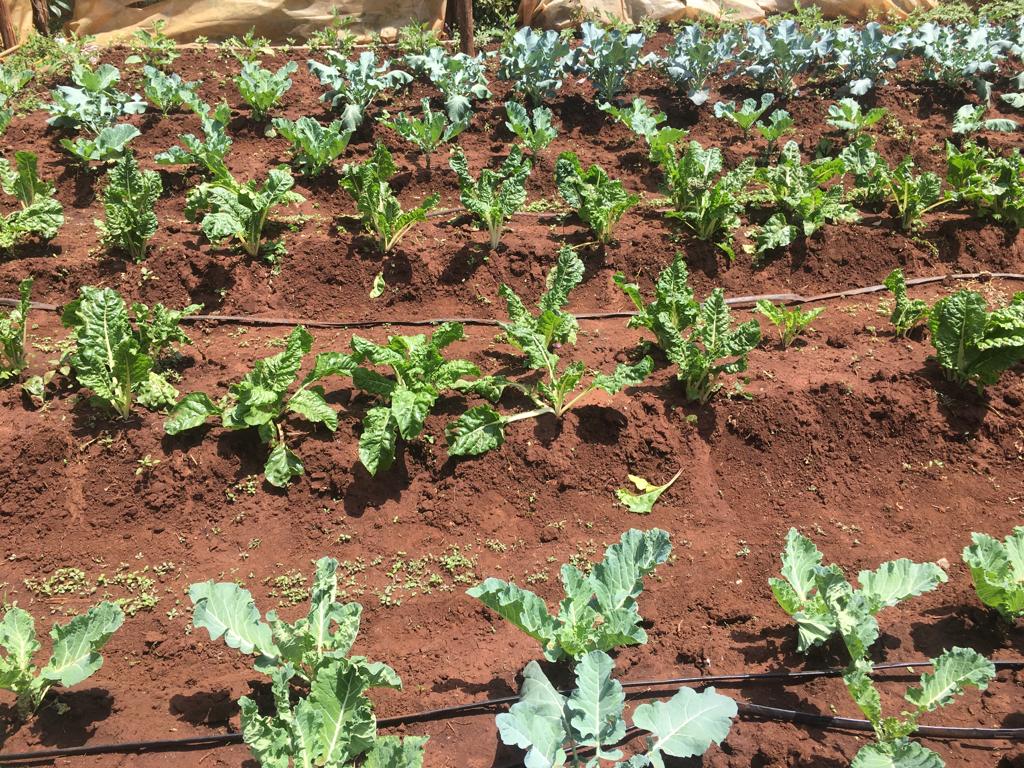
The Journey of Produce with Farm Share Kenya’s Integrated Value Chain
Farm Share Kenya Ltd’s Integrated Value Chain approach aims to support smallholder farmers by improving the entire agricultural value chain, from input supply to marketing, enabling them to produce high-quality crops and access better markets. In this blog post, we will take a closer look at the journey of produce from farm to market with Farm Share Kenya’s Integrated Value Chain.
Input Supply
Farm Share Kenya provides smallholder farmers with high-quality seed varieties, fertilizers, and other agricultural inputs to support their crop production. The company sources these inputs from reputable suppliers, ensuring that farmers receive quality products.
Production
Farm Share Kenya’s technical team works closely with smallholder farmers to provide them with training on best agronomic practices and crop management techniques. This training helps farmers to increase crop yields, reduce crop losses, and produce high-quality crops.
Post-Harvest Handling
After harvest, Farm Share Kenya provides farmers with access to post-harvest handling facilities, such as drying and storage facilities. This helps to reduce post-harvest losses and preserve the quality of the crops.
Processing
Farm Share Kenya partners with processors to add value to the produce and create market-ready products. This also creates additional employment opportunities in the rural areas where smallholder farmers operate.
Marketing
Farm Share Kenya connects smallholder farmers to local and international markets, ensuring that they get competitive prices for their produce. The company works with buyers to provide a guaranteed market for smallholder farmers’ produce, giving them a reliable source of income.
In conclusion,
the journey of produce with Farm Share Kenya’s Integrated Value Chain is a comprehensive approach that supports smallholder farmers throughout the entire value chain. From input supply to marketing, smallholder farmers receive support and training to enable them to produce high-quality crops and access better markets. The success of this approach is evident in the increased income of smallholder farmers, who are now able to improve their livelihoods, invest in their farms, and send their children to school.

Leave a Reply
Want to join the discussion?Feel free to contribute!